In partnership with

This week, the creator economy handed us some real receipts.
For years, creators like me have been told the same thing: grow your numbers first, then we'll talk.
Follower counts, view thresholds, subscriber minimums… the gatekeeping was real, and it kept a lot of talented people on the outside looking in. If you didn't already have an audience, most platforms and programs weren't interested in helping you build one. That frustration was loud, it was valid, and it never really went away.
But this week feels a little different.
Platforms are finally starting to pay for performance instead of popularity. Podcasters are quietly building million-dollar fan clubs… not by chasing reach, but by going deeper with the people already listening. And a new study is putting hard numbers to something a lot of us already feel in our bones about what this work actually costs us.
This week's news is equal parts opportunity and reality check. Let's get into it.
But first… a 5 second poll…
The creator economy is booming but visibility is harder than ever to earn and sustain. What's the real cost you're paying right now?
Instagram just made your captions worth more money.
Meta Verified subscribers can now add clickable links directly to post captions — up to 10 posts per month. Standard accounts don't have access yet, which means verified creators are now the most direct route for brands trying to drive traffic from organic Instagram content. The feature was confirmed by Meta after blogger Andrea Valeria shared screenshots of a working Substack link embedded directly in a caption.
If you've been on the fence about Meta Verified, this might be the nudge.

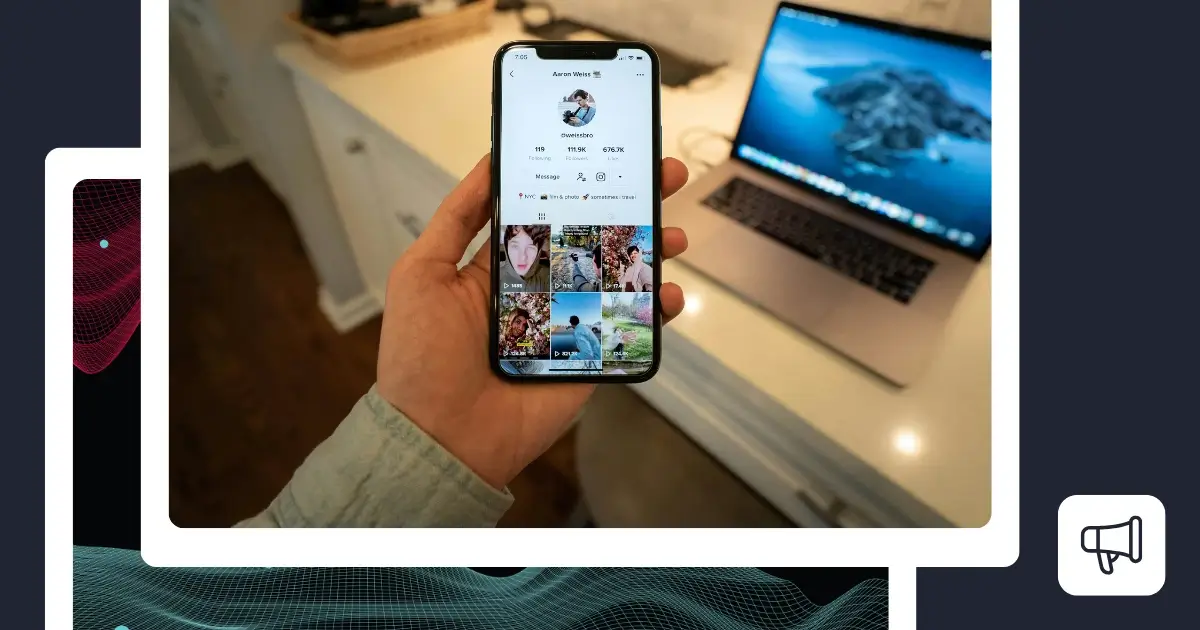
TikTok is becoming the new Google — and the numbers back it up.
Nearly half of U.S. consumers now use TikTok as a search engine — a jump of close to 20% from 2024 — and the average user spends nearly 58 minutes on the app daily, with 25% starting a search within 30 seconds of opening it. This isn't just a trend — it's a behavior shift. If your content isn't optimized for search inside TikTok, you're leaving discovery on the table.

📊 Marketing Trends
Picsart just dropped follower count requirements — and that's a big deal.
Picsart launched a creator monetization program open to all creators with no invite lists and no minimum audience size required. Earnings are calculated based on views, comments, shares, and reach — not follower count. This challenges one of the oldest assumptions in the space: that you have to be "big" to get paid. If your content connects, you qualify.

Podcasters are proving that depth beats reach.
Podcasters on Patreon generated $629 million in 2025 — a 33% year-over-year increase — making podcasting the platform's largest content category by revenue, with over 47,000 podcasters now earning income from 7.6 million paid memberships.
Patreon's takeaway: the most durable creator businesses aren't built on ads or algorithms — they're built on direct relationships. That's the owned-audience argument in real numbers.

TikTok just replaced Live Subscriptions with something called "Fan Clubs."
TikTok has replaced its TikTok Live Subscriptions feature with a new "Fan Club" feature and it signals a broader shift happening across platforms: the move from transactional subscriptions toward identity-based community membership. Fan clubs feel like belonging. Subscriptions feel like a paywall. That distinction matters more than it sounds — especially if live content is part of your strategy. Keep an eye on how this rollout shapes engagement.
NYC… WE ARE GETTING TOGETHER THIS THURSDAY!

🧠 Creator Mental Health
The data on creator mental health is no longer easy to ignore.
A study backed by Creators 4 Mental Health — highlighted by Harvard's T.H. Chan School of Public Health — found that nearly two-thirds of creators report anxiety and depression, and one in ten report suicidal thoughts connected directly to their work — nearly double the national average. Financial instability is a frequent stressor, and fewer than one in ten creators have access to any kind of specialized mental health support tied to their work. These aren't edge cases. They're structural conditions. You deserve support that acknowledges that.
A gentle reminder worth holding onto this week:
Checking your analytics ten times a day doesn't make the numbers better — it just makes you feel worse. Rest is not a reward for high performance. It's a requirement for sustainable work. You don't have to earn your breaks.
🌱 Resources & Opportunities
Grants For Creators — your funding database, updated weekly.
If you haven't bookmarked this yet, now's the time. Run by an ex-grants manager turned creator, the newsletter currently tracks nearly 100 active funding opportunities with April 2026 deadlines for podcasters, writers, artists, bloggers, and more. Free subscribers get a preview; paid subscribers get the full list. This is the kind of resource that can genuinely change your trajectory.
Two creator-focused events coming up…
🎤 TubeFest (April 23–24, Birmingham UK) — A YouTube creator conference with 20+ speakers covering monetization, algorithm strategy, and seven-plus revenue streams, plus networking with 500+ attendees. Even if you can't make it in person, the conversations usually spill onto social.
🌊 POSSIBLE Miami (April 27–29, Miami Beach) — This year's conference introduces a dedicated Creator Economy Academy for the first time, bringing creators, platform leaders, and brand marketers together to discuss how influencer-led marketing actually works in practice.
Big room, big names, big conversations.
LLM traffic converts 3× better than Google search

58% of buyers now start their research in ChatGPT or Gemini, not Google. Most startups aren't showing up there yet.
The ones that are get cited by the AI tools their buyers, investors, and future hires already use. And they convert at 3×.
Download the free AEO Playbook for Startups from HubSpot and get the exact steps to start showing up. Five minutes to read.
📱 Social Media