Sponsored by

Cultivators…
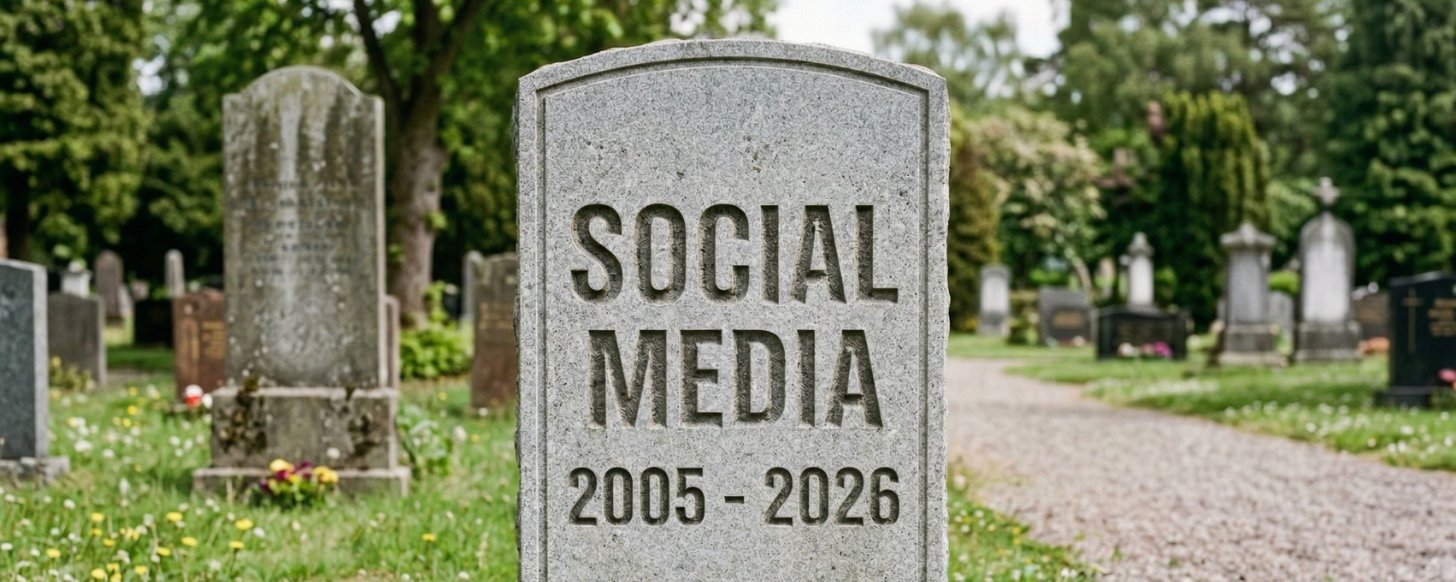
I hate to be the one to tell social feed you grew up on doesn't exist anymore. and what's replaced it changes everything about how creators get seen, get paid, and stay mentally healthy.
This week following the shift — from the platforms quietly rewriting their own rules, to the creators choosing slower ground, to the question nobody wants to say out loud: if the algorithm is the audience now, who exactly are we making content for?
I doubled the size of the newsletter because there was that many stories I felt you could not afford to miss.
Hope you enjoy…. and share.
George Torres
Founder @SiembraConnect
Let’s jump right in…
The "interest media" era is officially here Gary Vaynerchuk's now-famous line — that social media died four years ago and most of us are still operating with an old playbook — is becoming the dominant framework for how creators think about platforms in 2026. The shift is simple but seismic: feeds are no longer about who you follow, they're about what an algorithm thinks you want next. Followers matter less. Watch time, completion rate, and saves matter more. Read Now →
Instagram and TikTok rewrote their algorithms to match
On Instagram, DM shares are now the most heavily weighted signal for Reels distribution, and keyword-based search has overtaken hashtags as the main discovery engine. TikTok is pushing video length toward 1–3 minutes, rewarding completion rate over raw views, and testing new content with your followers first before pushing it wider — a major 2026 change. The takeaway for creators: the old "post and pray" model is dead. Both platforms now reward content built for niche communities, not broad appeal.
Instagram finally lets some creators put real links in captions — but it'll cost you
After a decade of "link in bio" being a running joke, Meta is testing clickable caption links for Meta Verified creators, capped at 10 links per month. It's only on personal and creator accounts (not business accounts), and the lowest tier starts at $14.99/month. Translation: Instagram is turning a long-requested free feature into a paid one, which tells you everything about where the platform is heading.
TikTok partners with Cameo so creators can sell personalized videos in-app
TikTok and Cameo announced a new partnership in April giving U.S. creators a direct path to offer personalized Cameo videos inside the TikTok app, plus a streamlined entry into Cameo's marketplace. It's another sign that TikTok is quietly building out monetization paths beyond the Creator Rewards Program — and another reminder that the creators making real money aren't relying on view-based payouts.
📈 Marketing Trends
Substack is becoming the "home base" for creators leaving the feed What used to be "just a newsletter platform" is now where major creators are quietly relocating their audiences. Justin Welsh, Jay Clouse, Dan Koe, and even The New Yorker have moved significant publishing operations to Substack — and 32 million new subscribers came from inside the app in a single recent quarter. With open rates hovering between 40–60% (vs. the 21.5% email industry average), the platform is becoming the trusted layer underneath the noisy feeds.
Beehiiv just dropped webinars and customizable paywalls For creators building owned-audience businesses, Beehiiv added two features last week that reshape what a newsletter can do: native webinars (live masterclasses, Q&As, behind-the-scenes events hosted directly inside the platform) and fully customizable paywalls with A/B testing across pricing tiers. Pair this with their March update letting creators manage accounts through AI chatbots, and the platform is clearly positioning itself as a full media business stack — not just an email tool.
The creator middle class is real — and it's not built on brand deals
New 2026 survey data shows nearly half of creators now earn between $10,000 and $100,000 a year, with passive revenue streams accounting for over 20% of total creator income. The takeaway nobody wants to hear: the creators with stable middle-class incomes aren't the ones chasing virality. They're the ones selling courses, running paid communities, and building email lists they actually own.
The "Creator-Entrepreneur" gap is widening fast
A new analysis breaks down a hard truth: 69% of creators still rely on brand collaborations as their primary income, but only 4 million of the world's 300 million creators earn enough to do this full-time. The pattern is consistent — creators who treat content as a marketing channel for an actual business are pulling away from creators who treat content as the business itself.
Sponsor Message
How Jennifer Aniston’s LolaVie brand grew sales 40% with CTV ads

The DTC beauty category is crowded. To break through, Jennifer Aniston’s brand LolaVie, worked with Roku Ads Manager to easily set up, test, and optimize CTV ad creatives. The campaign helped drive a big lift in sales and customer growth, helping LolaVie break through in the crowded beauty category.
🧠 Creator Mental Health
The algorithm doesn't understand human nuance — and creators are paying for it Over half of creators have considered quitting in the last 12 months, with Gen Z creators leading at 55%, according to Manychat's latest creator report. The dominant stressors: always-on pressure, the inability to disconnect, and an algorithm that doesn't care if you're sick, grieving, or burned out. The advice from creators who've survived long-term? Batch evergreen content for hard weeks, separate "filming days" from offline time, and stop measuring your worth by output.

63% of US creators report burnout symptoms — and recurring revenue is the real cure
A 2026 sustainability guide makes a sharp argument: burnout in the creator economy isn't a personal failing, it's a structural problem caused by income volatility (monthly swings of 30–60%) and total platform dependency. The fix isn't more meditation apps — it's building recurring revenue (subscriptions, memberships, ambassadorships) until passive income covers your minimum monthly needs. That's what actually breaks the content treadmill.
90% of creators are burned out — and "self-care" isn't fixing it
A widely-cited Vibely survey found 90% of creators report clinical burnout symptoms: emotional exhaustion, depersonalization, reduced sense of accomplishment. The structural reason is brutal but simple — when income only flows while you're producing, you can never stop. The creators who escape burnout aren't taking more bubble baths. They're shifting from volume-based income (daily posts, ad revenue) to value-based income (courses, memberships, products that sell while they sleep).
The quiet question that separates creators from creator-entrepreneurs
This week's gut-check from creator economy reporting: "Do you see yourself as a brand, a business, or just a person who posts?" The creators who answered "business owner" structured their days around systems, team-building, and operations. The ones who answered "person who posts" reported the most burnout — and the lowest income. The mindset shift isn't optional anymore. It's the job.
🎯 Resources & Opportunities
O'Shaughnessy Fellowships & Grants 2026
A one-year, equity-free $100,000 fellowship for builders, researchers, and creatives working on ambitious projects. Past recipients have come from over 160 countries across documentary filmmaking, design, AI, music, and more. Deadline: April 30, 2026.
SouthArts Creative Practice Grants
Up to $3,000 for individual artists pursuing professional development opportunities and milestone career activities. Available for opportunities taking place between November 1, 2025 and June 30, 2026. Rolling review.
Bow Seat Ocean Awareness Contest 2026
A $1,000 prize for creators exploring the theme "Your Story, Our Ocean" through any medium — visual art, writing, film, music. Open to creators worldwide. Deadline: June 8, 2026.
Intuit QuickBooks + Mailchimp Small Business Hero Program — $20,000 grants
Open through May 15, 2026. Three U.S. small business owners (18+, business operating at least one year, 99 or fewer employees) win $20,000 each per quarter, plus free QuickBooks and Mailchimp access. Nominations are open to anyone — you can nominate a creator-owned business or be nominated yourself.
Galaxy Grant — $3,500 for women and minority business owners
Administered by Hidden Star, the next cycle deadline is April 30, 2026. Specifically built for underserved creators and entrepreneurs treating their work as a real business. Quick application, paid in cash.
📱 Social Media News